Learning Paths
- Home /
- Learning Paths

Vue.js
Currently focused on mastering Vue.js, a powerful JavaScript framework for building responsive and dynamic web applications. The learning process covers core concepts like components, directives, and reactive data handling, along with advanced topics such as Vue Router for navigation, Pinia for state management, and the Composition API for scalable application structure. It also involves integrating external data sources using Axios for API communication. The goal is to build a strong foundation in frontend development and apply these skills through real-world projects.

Spring Framework Java
Learning Spring Framework, a powerful ecosystem for building robust, scalable, and secure backend applications in Java. The learning path covers core concepts like Dependency Injection, Inversion of Control, and application configuration with Spring Boot. It involves building RESTful APIs with Spring Web, managing data with Spring Data JPA. Development is streamlined with libraries like Lombok for automatic code generation and JPA for efficient database operations. The goal is to develop a strong backend skill set and create enterprise-grade, production-ready applications.

JavaFX Framework
My experience with JavaFX includes developing applications using the MVC architecture to ensure clean code separation and maintainability. I structured the project with models for data handling, views for the UI using FXML, and controllers to manage user interactions. Leveraging JavaFX’s powerful UI components, I built dynamic and responsive interfaces with scene transitions and custom styling using CSS. I implemented features like event handling, data binding, and multi-threading for a smooth user experience. Throughout the project, I focused on scalability, maintainability, and best practices for JavaFX application development.
ITIL 4
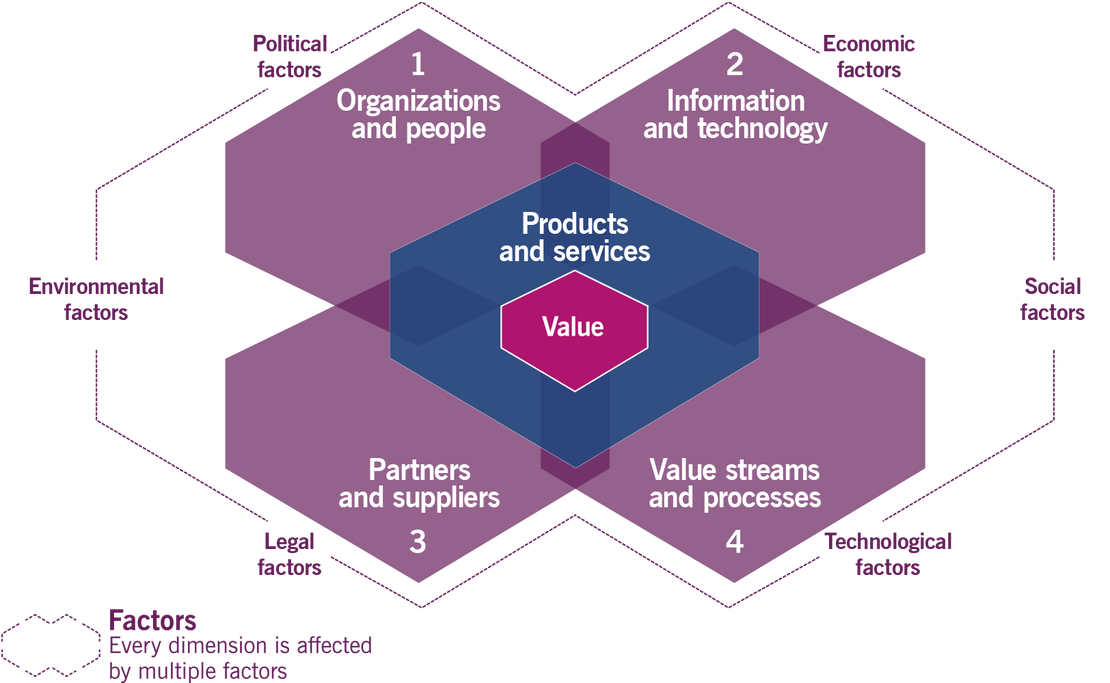
The leading framework for IT Service Management (ITSM) and digital service delivery. The learning path covers the core concepts of the Service Value System (SVS), guiding principles, and key practices for managing IT services effectively. It emphasizes aligning IT services with business needs, promoting continual improvement, and adopting a flexible, value-driven approach to service management. The goal is to build a strong understanding of modern ITSM strategies and prepare for real-world applications across various industries.

Projectmanagment
My journey in learning project management began with understanding fundamental methodologies like Agile, Scrum, and Waterfall, gaining insight into how projects are planned, executed, and delivered. I explored key concepts such as scope definition, time management, risk assessment, and stakeholder communication. Through hands-on experience, I worked with tools like Trello to track progress, manage tasks, and ensure efficient collaboration. I also developed skills in team leadership, problem-solving, and adapting to changing project requirements. By applying best practices and learning from real-world case studies, I have built a strong foundation in managing projects effectively from initiation to completion.
PHP MVC Webdevelopment
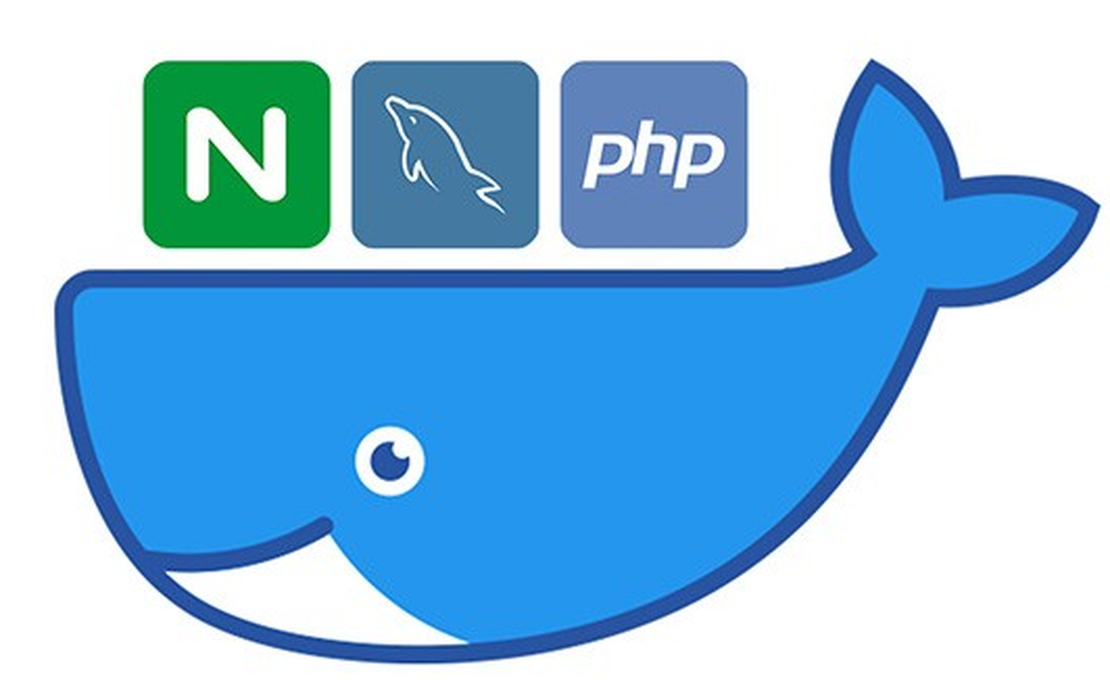
My experience with PHP and Docker includes building an MVC-based web application using PHP, MySQL, and Nginx in a containerized environment. I started by structuring the project with a MVC structure, handling routing, controllers, models, and views efficiently. Using Docker, I set up a multi-container architecture, including a PHP container for application logic, a MySQL container for database management, and an Nginx container for handling requests. I configured Docker Compose to orchestrate these services, ensuring seamless communication between them. Additionally, secured the application with proper configurations, and implemented best practices for database migrations and deployment.
MongoDB
My journey to learn MongoDB began with understanding the fundamentals of NoSQL databases, exploring document-oriented storage, and setting up a development environment using MongoDB Compass and the MongoDB Shell. I then progressed to designing efficient schemas, performing CRUD operations, and optimizing queries with indexing and aggregation pipelines. Through hands-on experience, I worked with data modeling, replication, and sharding to ensure scalability. Additionally, I explored security best practices and integration with backend frameworks like .NET to develop high-performance applications.

ASP.NET
I have followed a structured learning path to master ASP.NET, starting with the fundamentals of ASP.NET Framework and ASP.NET Core, setting up a development environment with Visual Studio and .NET SDK, and understanding key concepts like MVC architecture and Razor Pages. I then advanced to building web applications using ASP.NET MVC, Razor Pages, and Web APIs, focusing on routing, controllers, and views. Along the way, I gained hands-on experience with authentication, authorization, and database integration using Entity Framework Core. I also explored performance optimization, deployment strategies, and best practices to develop scalable and secure web applications.

SQL and Azure Databases
Building on my IT background, I started with mastering SQL fundamentals. I then delved into advanced topics such as joins, subqueries, indexing, and optimization techniques. Expanding my expertise to Azure Databases, I learned to deploy, manage, and scale databases using Azure SQL Database and Azure Cosmos DB. This included understanding cloud-specific features like automated backups, security configurations, and performance tuning. Combining SQL proficiency with Azure’s robust platform has significantly enhanced my database management and cloud computing skills.
Entity–relationship modeling
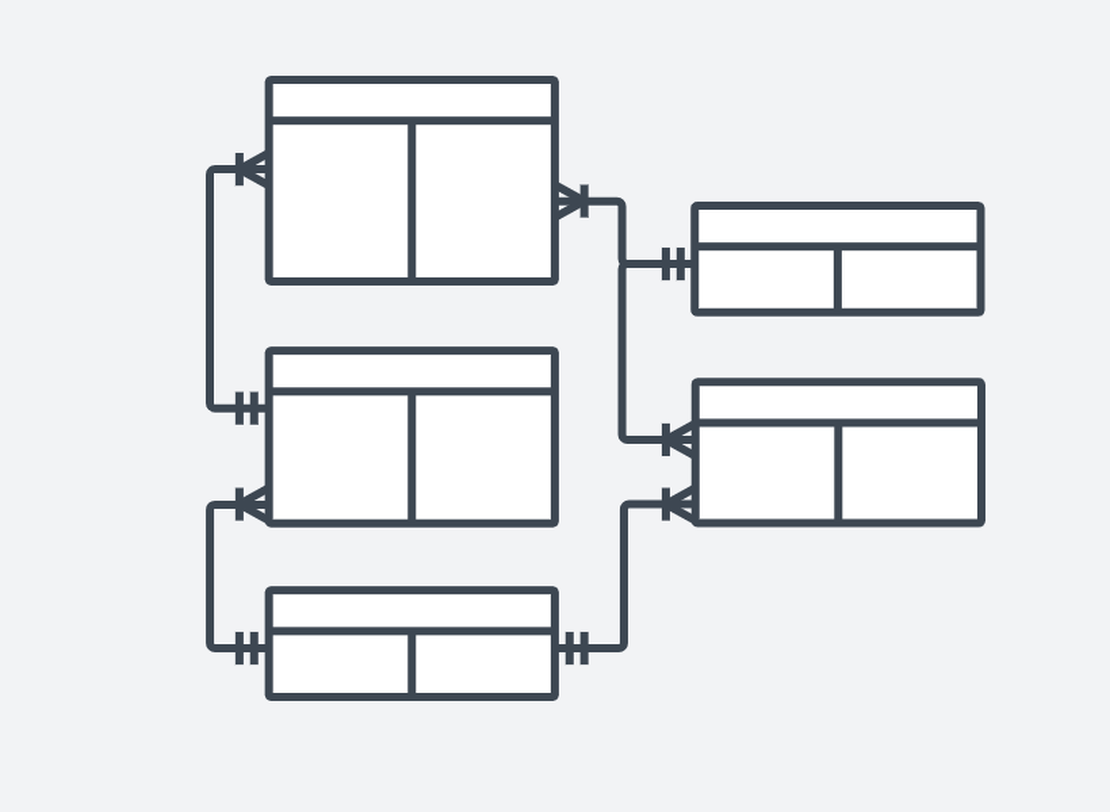
Building on my IT background, I mastered Entity-Relationship Diagram (ERD) modeling to enhance my database design skills. I learned to create precise ERDs, representing database structures clearly and ensuring data integrity. This expertise allowed me to translate business requirements into robust and scalable database schemas, facilitating efficient communication with stakeholders and developers. My proficiency in ERD modeling has become a key asset in designing effective database solutions.
Web Design
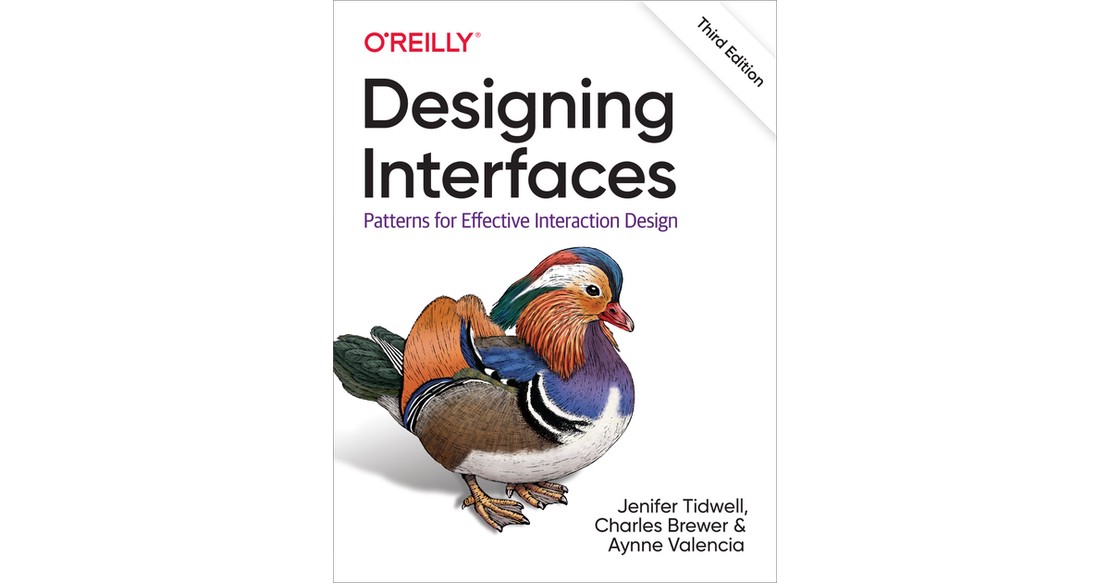
Currently focused on building strong web design skills by studying the principles of user-centered design, usability, and interface patterns. The learning path includes reading Designing Interfaces by Jenifer Tidwell, a foundational book that explores effective design patterns for creating intuitive and engaging user experiences. Key topics include layout design, navigation models, form usability, and visual hierarchy. The goal is to develop a deep understanding of what makes interfaces not just functional, but delightful and efficient for users.

Interaction Design
Guided by UI is Communication by Everett McKay, I enhanced my interaction design skills by focusing on UI as a medium of communication. The book taught me to see every interface element as part of a dialogue with the user, emphasizing clarity, simplicity, and user-centered design. I mastered visual language techniques, prioritizing user needs to create intuitive and accessible interfaces. This approach has profoundly improved my design capabilities.
CCNA Fundamentals
With a strong IT background, my journey into CCNA Fundamentals involved mastering core networking concepts, including IP addressing, subnetting, and routing protocols. Hands-on labs and simulations were instrumental in applying theoretical knowledge to real-world scenarios. This rigorous training solidified my understanding of networking principles, preparing me for advanced topics and practical applications in the field.
C# Design Patterns
Guided by Head First Design Patterns, my learning journey in C# design patterns was transformative. The book’s engaging and visual approach helped me understand and implement essential design patterns like Singleton, Observer, and Factory. I practiced applying these patterns to solve common design problems, enhancing my ability to write maintainable and scalable code. This experience has improved my software design skills and deepened my understanding of best practices in C# development.
OOP with C#
My exploration of Object-Oriented Programming (OOP) with C# started with understanding the core principles of encapsulation, inheritance, polymorphism, and abstraction. I designed and implemented classes, managed objects, and utilized interfaces. Through practical projects and coding exercises, I applied these concepts, leading to a deep grasp of structuring robust, reusable, and efficient code in C#. This journey has significantly enhanced my programming skills and software development capabilities.

Management Information Systems
Managing the Digital Firm by Kenneth C. Laudon and Jane P. Laudon is a comprehensive guide that explores the pivotal role of information systems in contemporary business management. The book covers a wide range of topics, including the strategic utilization of digital technologies to enhance decision-making, streamline business processes, and gain a competitive advantage. With a focus on practical examples and case studies, the authors illustrate how organizations can leverage information systems to meet their objectives and adapt to the dynamic challenges of the digital age. The book addresses current issues such as e-commerce, big data, and cloud computing, providing readers with valuable insights into the strategic application of technology in the corporate landscape.
The C# Programming Yellow Book
serves as an approachable guide for individuals new to programming and those specifically interested in learning C#. The book focuses on providing a solid foundation in programming concepts, using C# as the language of instruction. Rob Miles takes a hands-on and practical approach, offering exercises and examples to reinforce key principles. The Yellow Book is known for its friendly and accessible style, making it suitable for beginners without prior programming experience. It covers essential topics such as variables, control structures, object-oriented programming, and more, making it a valuable resource for those looking to start their journey into C# development.
Unified Modeling Language
Unified Modeling Language (UML) is a standardized modeling language in the field of software engineering. It provides a graphical notation for representing the design and structure of software systems, helping in the visualization, specification, construction, and documentation of complex software architectures. UML was developed by the Object Management Group (OMG) to unify various modeling approaches and provide a common language for software developers, analysts, and system architects. The language includes a set of diagrams and notations to represent different aspects of a system, such as classes, objects, relationships, behaviors, and more. UML is widely used in the software development industry as a powerful tool to communicate and document the design and structure of software systems throughout the software development life cycle.

Linux
Linux is an open-source, Unix-like operating system kernel first created by Linus Torvalds in 1991. It serves as the core component of various Linux-based operating systems, known as distributions (distros). Linux is renowned for its stability, security, and flexibility. It supports a diverse range of hardware architectures and is widely used in servers, embedded systems, and as an alternative to proprietary operating systems on personal computers. One of its defining features is the use of a monolithic kernel that manages system resources efficiently. Linux has a robust community of developers and users who contribute to its ongoing development and share a philosophy of free and open-source software. Various distributions, such as Ubuntu, Debian, and Red Hat, package the Linux kernel with additional software to create complete operating systems suitable for different purposes.
HTML and CSS
HTML and CSS by Elizabeth Castro is likely an instructional guide that covers the essentials of web development using HTML and CSS. Castro is known for her clear and beginner-friendly writing style. The book is likely designed to help readers, especially beginners, understand the fundamentals of HTML (Hypertext Markup Language) and CSS (Cascading Style Sheets). Topics may include creating and structuring web pages, styling content, and understanding the interplay between HTML and CSS for effective web design. The book may also include practical examples, exercises, and tips to facilitate hands-on learning.
UI/UX Principles
Don’t Make Me Think by Steve Krug is a user-friendly guide to web usability and design. The central theme revolves around the principle that a well-designed website should be intuitive and require minimal cognitive effort from users. Krug emphasizes the importance of clarity, simplicity, and eliminating unnecessary complexities in web design. The book provides practical advice on creating easily navigable websites, optimizing visual hierarchy, and conducting user testing to ensure an optimal user experience. Krug’s approach is pragmatic and user-centric, making it accessible to both designers and non-designers alike. The book’s title encapsulates its key message a good website should be so intuitive that users can effortlessly navigate and interact with it without having to think too much.